Before you invest in a forest, look at the forest.
Before buying forest carbon credits or joining a planting project, check from space that the forest is standing, how much it absorbs and whether additionality could be a problem.
Checklist
Six things worth checking before you sign
Is it standing?
Radar structure and NDVI show signs of felling or damage.
How much does it absorb?
Screening values for annual uptake (tCO₂/yr) and stock (tCO₂e).
Additionality watch
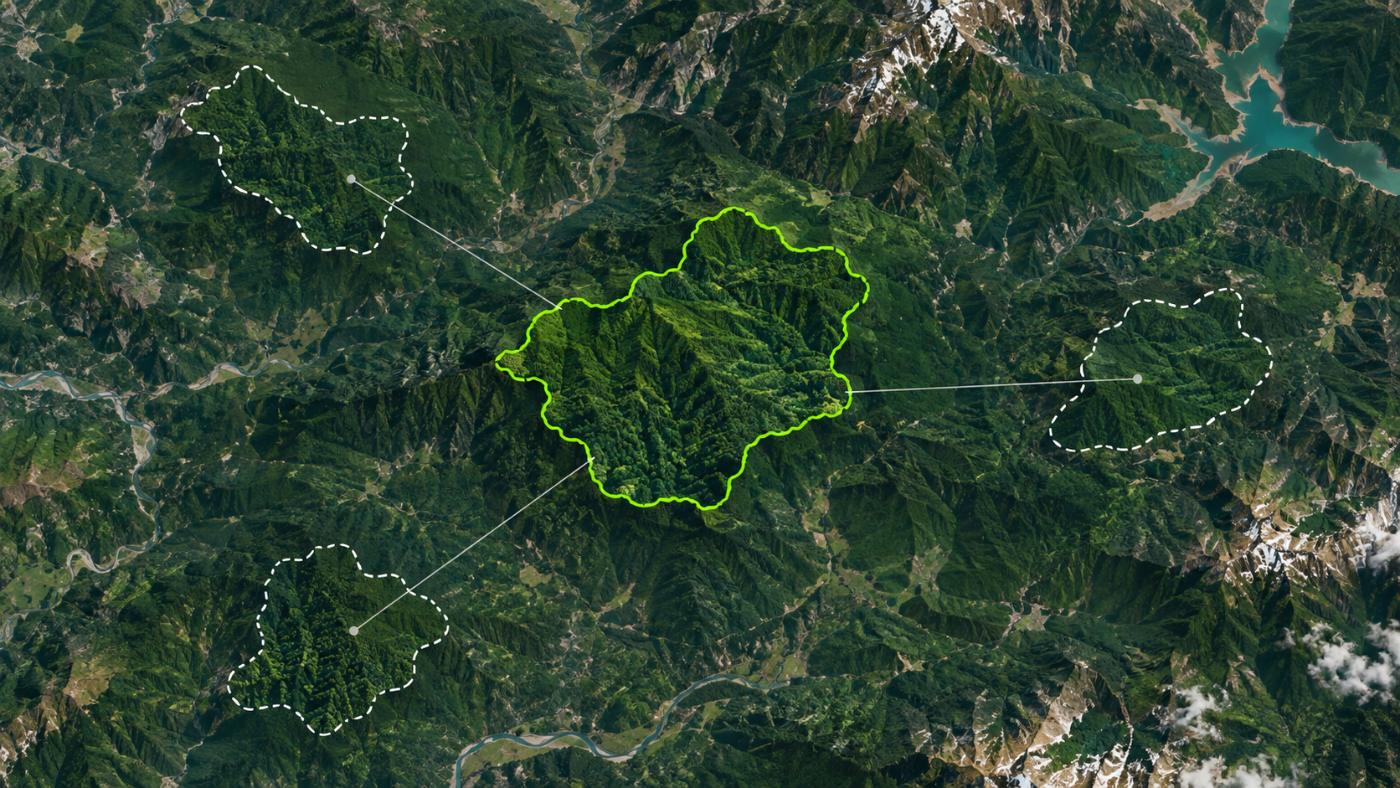
Is it already protected, and how does it compare with similar forest?
Edge change
Two-date comparison finds newly paved or built candidates.
The last ten years
Pixel trends show whether greenness rose or fell.
Evidence
A report with scene ID, uncertainty and integrity grade.
Why it matters
Good-looking numbers do not make a good credit.
In voluntary carbon markets, additionality and permanence decide credit quality. CANOPY surfaces those risks early with pre-checks and dynamic baselines.
- Proceed, review or weak-candidate verdict
- Additionality watch flag
- Non-permanence signals (drought, disturbance)
- Validation stays with third parties
FAQ
Frequently asked questions
Do you rate credit quality?
No. The integrity score is an internal screening grade, not a third-party validation or credit rating.
Can you look at forests outside Korea?
Satellite data is global. Biomass baselines use Korea Forest Service statistics, so forests abroad use the satellite path and need careful interpretation.
Can we use it in ESG disclosures?
That depends on the disclosure standard. Use it for internal review and pre-checks, and use certified credits or official data for disclosed figures.
Related pages
Work with us
Start with a satellite screening of your forests.
Send us your forest boundaries. We screen carbon stock, annual uptake and candidate quality from public satellite data first, then walk through the results with you. No field equipment is needed.